


CMI Certified Cleaning Benefits Clinics: A 2026 Guide
Last Updated: October 23, 2026
Quick Summary
CMI certified cleaning benefits clinics by establishing measurable standards for infection control and sanitization protocols specific to healthcare environments. CMI certification, issued by the Cleaning Management Institute, demonstrates that a cleaning company has met rigorous requirements for training, equipment, and procedural compliance.
CMI certified teams are trained in bloodborne pathogen protocols, chemical safety, and cross-contamination prevention specific to medical facilities.
CMI standards require hospital-grade disinfectants, HEPA-filtered vacuum systems, and color-coded microfiber cloths to prevent cross-contamination.
CMI certified services maintain documented records of cleaning schedules, products used, staff training, and protocol adherence for liability protection.
Different surfaces and high-touch points require specific disinfection frequencies and contact times based on clinical function of each area.
CMI certification requires ongoing staff training and competency verification, not just checklist-based cleaning procedures.
Table of Contents
What CMI Cleaning Certification Means for Clinics
How Medical Facility Cleaning Services Differ Under CMI Standards
Clinic Cleaning Protocols: What CMI Certification Requires
Medical Office Disinfection and Infection Control
Why CMI Certified Cleaning Reduces Liability and Risk
Verifying CMI Credentials and Choosing the Right Partner
Frequently Asked Questions
What CMI Cleaning Certification Means for Clinics
CMI certified cleaning benefits clinics by establishing a measurable standard for infection control and sanitization protocols. CMI certification, issued by the Cleaning Management Institute, demonstrates that a cleaning company has met rigorous requirements for training, equipment, and procedural compliance specific to healthcare environments.
For clinic managers, this certification means your cleaning partner has been vetted against industry standards. They've completed specialized training in bloodborne pathogen protocols, chemical safety, and cross-contamination prevention. The certification isn't just a credential on a wall; it represents documented competency in the specific challenges healthcare facilities face.
What makes this relevant now: many clinics still rely on general commercial cleaning services that treat medical spaces like office buildings. CMI certified cleaning benefits clinics by addressing the actual risk profile of healthcare environments. The difference shows up in protocol adherence, equipment selection, and staff accountability.
How Medical Facility Cleaning Services Differ Under CMI Standards
Medical facility cleaning services operate under fundamentally different constraints than standard commercial janitorial work. A CMI certified cleaning provider understands these distinctions and structures their service model accordingly.
The core difference lies in contamination awareness. In a typical office, the cleaning crew focuses on visible dirt and general tidiness. In a medical facility, the risk of pathogenic transmission requires a different mental model. CMI certified teams are trained to identify high-touch surfaces, understand the specific pathogens relevant to different clinical areas, and apply appropriate disinfection protocols for each zone.
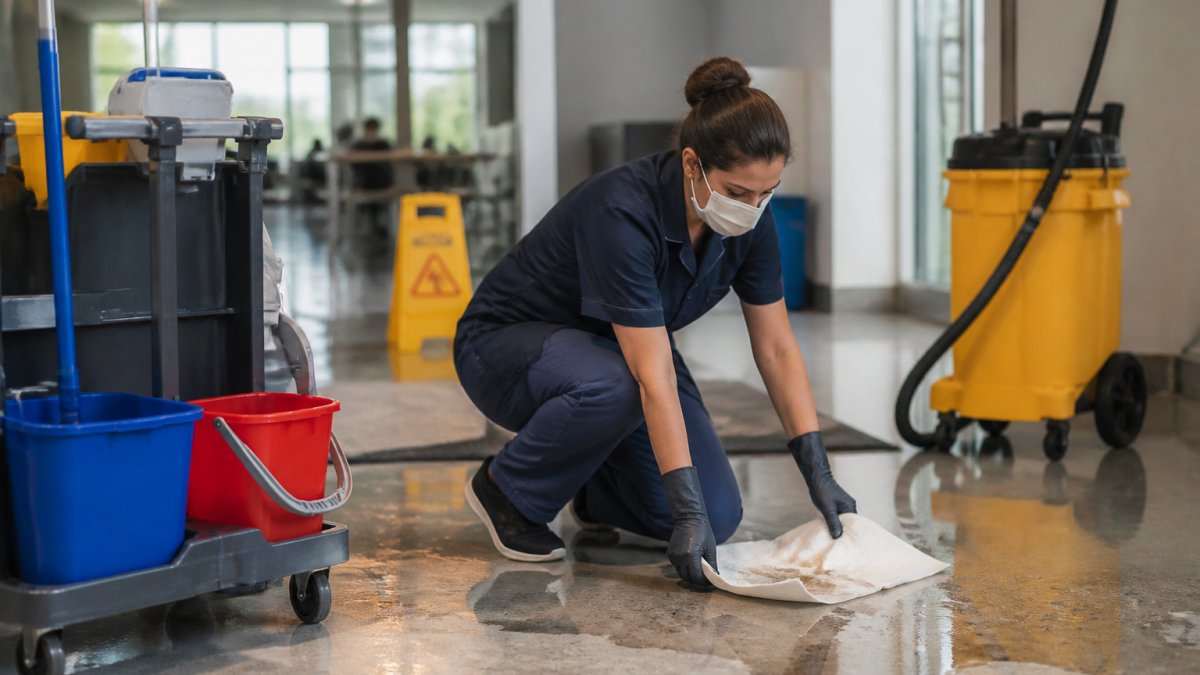
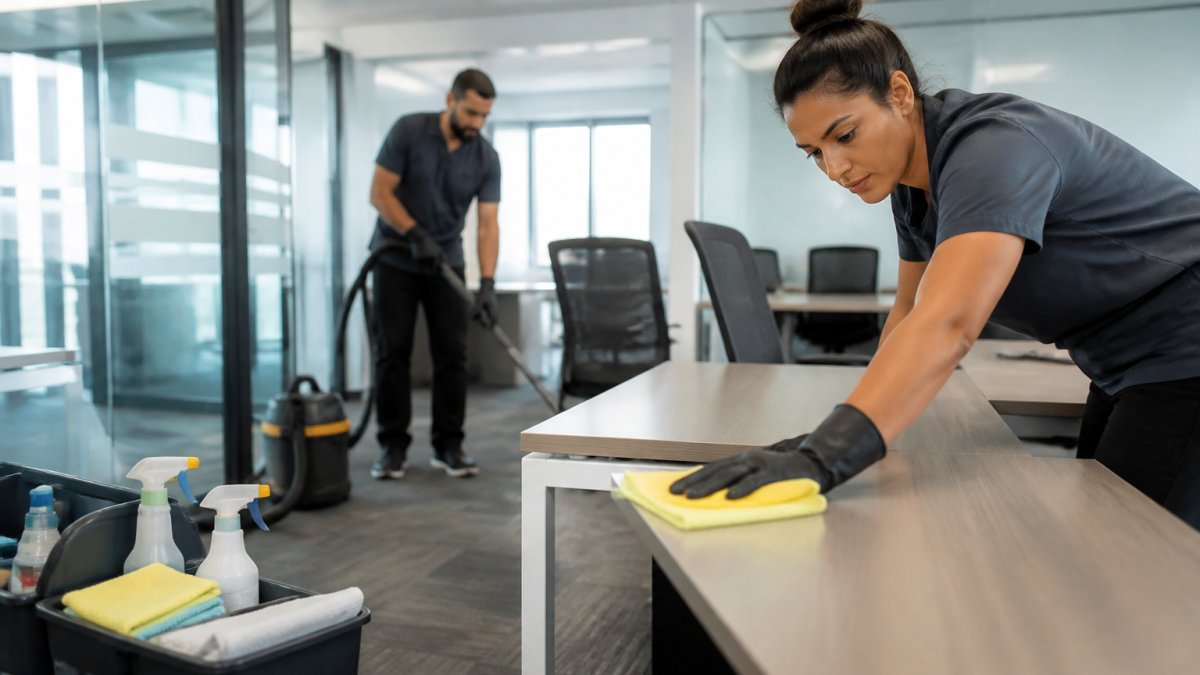
Equipment matters significantly. CMI standards require specific tools for medical environments. Hospital-grade disinfectants, HEPA-filtered vacuum systems, color-coded microfiber cloths to prevent cross-contamination, these aren't luxuries. They're part of the protocol. A general cleaning company might use whatever they have on hand. A CMI certified provider has invested in the right equipment because their certification depends on it.
Scheduling and frequency also differ. Medical spaces often require cleaning at specific times to minimize disruption to patient care. CMI certified services build their operations around healthcare workflows, not the other way around. This means understanding why certain areas need cleaning between patients versus end-of-day protocols.
Clinic Cleaning Protocols: What CMI Certification Requires
CMI certification mandates specific cleaning protocols that go beyond standard commercial practices. Understanding what's actually required helps clinic managers evaluate whether their current provider meets the standard.
Surface-by-surface disinfection protocols form the foundation. Different surfaces require different contact times and disinfectants. A CMI certified team documents which surfaces get cleaned with which products and how long the disinfectant must remain wet to be effective. This isn't done from memory or habit, it's documented and verified.
Touch-point frequency is another critical element. High-touch surfaces in clinical areas, door handles, light switches, equipment controls, countertops, require more frequent cleaning than low-touch surfaces. CMI protocols specify these frequencies based on the clinical function of each area. A waiting room has different requirements than a treatment room, which differs from a sterilization area.
Staff training and competency verification are non-negotiable under CMI standards. Cleaners must understand why they're doing what they're doing, not just follow a checklist. They need to recognize when protocols need adjustment based on specific patient cases or outbreak situations. This level of understanding requires documented training and periodic verification.
Documentation and traceability round out the protocol requirements. CMI certified services maintain records of what was cleaned, when, and with what products. This creates accountability and provides evidence of compliance if questions arise about infection control practices.
Medical Office Disinfection and Infection Control
Medical office disinfection serves a specific purpose: breaking the chain of infection transmission. Standard cleaning removes visible dirt; disinfection targets microscopic pathogens that can survive on surfaces for hours or days.

The distinction matters because different pathogens require different approaches. Some viruses are killed by alcohol-based disinfectants; others require bleach solutions or quaternary ammonium compounds. A CMI certified provider knows which disinfectant works against which pathogens and applies the right product for the specific clinical environment.
Contact time is critical and often overlooked. Many disinfectants require the surface to remain wet for a specific duration, often 10 minutes or longer, to achieve the stated kill rate (the CDC). A cleaner who sprays and wipes immediately hasn't actually disinfected anything. CMI trained staff understand this requirement and build it into their workflow.
Infection control also requires understanding transmission routes. Airborne pathogens demand different protocols than contact-based transmission (the CDC). A CMI certified team assesses the clinical environment and adjusts disinfection intensity based on the specific infection risks present.
Why CMI Certified Cleaning Reduces Liability and Risk
CMI certified cleaning benefits clinics by creating a documented defense against liability claims related to infection transmission or inadequate sanitation. This is the practical business case for the certification.
When a patient develops a healthcare-associated infection, one of the first questions is whether the facility maintained appropriate cleaning and disinfection standards. If your clinic can demonstrate that you employed a CMI certified cleaning service and maintained documented compliance with their protocols, you have evidence of reasonable care. If you relied on a general cleaning company with no specialized training, you're exposed.
The documentation itself becomes protective. CMI certified services maintain records of cleaning schedules, products used, staff training completion, and protocol adherence. These records demonstrate that your facility took infection control seriously. Without this documentation, you're relying on assertion rather than evidence.
Staff accountability increases with CMI certification. Cleaners working under CMI standards understand they're part of a compliance system, not just doing routine janitorial work. This mindset shift reduces corner-cutting and increases the likelihood that protocols are actually followed, not just written down.
Insurance implications also shift with CMI certification. Some professional liability carriers offer better rates or coverage terms when facilities employ CMI certified cleaning services. The reduction in infection-related claims makes this economically rational for insurers, and those savings can translate to better terms for your clinic.
Verifying CMI Credentials and Choosing the Right Partner
Not every cleaning company claiming healthcare expertise actually holds CMI certification. Verification requires checking specific credentials and understanding what they actually mean.
Start by requesting proof of CMI certification directly from the cleaning company. Legitimate certifications are issued by the Cleaning Management Institute and can be verified. Ask for the certification number and the names of staff members who hold CMI credentials. A company serious about certification will have this information readily available.
Ask about ongoing training and recertification. CMI certification isn't a one-time credential. Maintaining it requires continuing education and periodic recertification. A provider who hasn't invested in keeping their certification current may have outdated protocols or staff who haven't received recent training.
Evaluate their equipment and product selection. Ask what disinfectants they use, why they selected them, and how they determine contact times. A knowledgeable provider can explain their choices. If they're vague or say "we use whatever works," that's a red flag. CMI certified services make deliberate equipment and product decisions based on clinical requirements.
Request references from other healthcare facilities they serve. Ask those references specifically about infection control compliance and whether the cleaning company responded appropriately to specific clinical situations. A good reference will speak to protocol adherence under pressure, not just general satisfaction.
CVG Specialized Cleaning INC holds CMI certification and structures our services around the specific requirements of healthcare facilities. We maintain detailed documentation of all cleaning protocols, use hospital-grade disinfectants appropriate to each clinical environment, and ensure our staff completes ongoing CMI-aligned training. When you partner with a CMI certified provider like CVG Specialized Cleaning INC, you're not just getting cleaner surfaces, you're implementing a documented infection control system.
Clinic managers face a genuine choice: treat cleaning as a commodity service or recognize it as part of your infection control infrastructure. CMI certified cleaning benefits clinics by transforming sanitation from a cost center into a risk-management tool. The certification provides accountability, documentation, and staff competency assurance that general commercial cleaning simply cannot match. If you're managing a healthcare facility in Connecticut or New England, the Cleaning Management Institute's standards documentation outlines the specific requirements. CVG Specialized Cleaning INC can help you implement CMI-certified protocols tailored to your clinic's specific needs. Contact us to discuss how professional, certified cleaning reduces your infection risk while elevating your facility's standards.
Frequently Asked Questions
What is CMI cleaning certification and what does it cover?
CMI certification validates that a cleaning company meets established standards for infection control, equipment use, and chemical safety in healthcare environments. CMI certified cleaning companies demonstrate competency in medical-grade disinfection protocols, proper handling of biohazardous materials, and compliance with healthcare facility requirements. The certification confirms that staff have received specialized training beyond standard janitorial work, making it directly relevant to clinic operations where cross-contamination risks are high.
How does CMI certified cleaning reduce infection transmission in clinics?
CMI certified cleaners follow documented protocols for high-touch surface disinfection, proper sequencing of room cleaning, and use of hospital-grade disinfectants proven effective against pathogens. They understand which areas require the most attention (patient contact surfaces, medical equipment, waiting areas) and use appropriate contact times and concentrations for each disinfectant. This systematic approach significantly reduces the survival of bacteria, viruses, and other pathogens that spread illness in clinical settings.
What should small medical offices look for in a CMI certified cleaning partner?
Small clinics should verify current CMI certification, ask about experience with similar-sized facilities, and confirm the provider can scale services to your specific needs. Request references from other medical offices, clarify response times for emergencies, and discuss how the company handles special requirements like refrigerated storage areas or infection control zones. Ensure the cleaning schedule aligns with your patient flow and that the provider communicates directly with your infection control staff about any concerns.
How does CMI certification protect clinics from liability?
CMI certified cleaning companies maintain documented cleaning records, follow standardized protocols, and carry appropriate insurance coverage. This documentation creates an audit trail showing your clinic took reasonable steps to maintain a safe environment, which is critical if infection outbreaks occur or regulatory inspections happen. Using a certified provider also demonstrates due diligence in infection prevention, reducing your clinic's exposure to liability claims related to facility-acquired infections or regulatory violations.
Can a CMI certified cleaning company respond to emergency disinfection situations?
Many CMI certified providers offer emergency response services for outbreak situations, but response time and availability vary by company. When evaluating providers, ask specifically about emergency protocols, typical response times, and whether they maintain equipment and supplies for rapid deployment. Confirm that your provider can mobilize a team quickly if a patient tests positive or an outbreak is suspected, as rapid response significantly limits pathogen spread.
What makes CMI certified cleaning different from standard commercial cleaning?
CMI certified cleaning includes specialized training in infection control, use of hospital-grade disinfectants, understanding of healthcare regulations, and protocols for handling contaminated materials. Standard commercial cleaners focus on appearance and general sanitation; CMI certified cleaners focus on pathogen elimination and compliance with healthcare standards. This expertise is essential in clinics where infection control directly affects patient safety and regulatory compliance.
How do clinic staff communicate special cleaning needs to a CMI certified provider?
Establish a clear communication protocol during the initial contract phase: designate a primary contact, document specific cleaning requirements in writing, and schedule regular check-ins with the cleaning supervisor. Discuss specialized areas like medication storage, sterilization equipment, or food safety zones upfront. Many CMI certified providers work directly with infection control staff to refine protocols based on your clinic's unique layout and patient population, ensuring no critical areas are overlooked.
CONTACT US
Add cvgservices.com as a preferred source on Google →
Comments